Overview
Wildfires are becoming increasingly frequent in Europe, with damaging consequences for people, nature and biodiversity, and the economy.
Climate change increases the risk of prolonged and severe wildfires, which is heightened by land abandonment, rural depopulation and inappropriate or insufficient forest management.
Watch our video to see how animal grazing helps prevent wildfires
 © Toa55 | Getty Images
Policies to protect EU forests against fire
To address the rising wildfire threat, the Commission launched a new strategy in March 2026 that promotes an integrated approach to wildfire risk management. It proposes actions for preventing or reducing the risk of wildfires, alongside strengthening our preparedness, response and recovery.
Based on this strategy, a Recommendation from the Council was adopted, which encourages Member States to apply the approach in ways that reflect their own circumstances, systems and level of risk. It also calls for stronger cooperation between public authorities, land managers, civil society and local communities.
Preventing wildfires before they start
Prevention through creating fire-resilient landscapes is the most cost-effective way of reducing the threat from wildfires. The guidelines on land-based wildfire prevention promote action on the ground such as managing vegetation and reducing the build-up of plant material that can help fires spread and make firefighting more difficult.
The EU Forest Strategy for 2030 promotes stronger, healthier forests which are more resilient to forest fires. To support this objective and facilitate knowledge sharing, the European Commission published guidelines on closer to nature forestry and biodiversity-friendly afforestation and reforestation.
By the end of 2027, the Commission will present:
- best practices for managing vegetation that can fuel fires, while protecting species, habitats and soils;
- effective prevention measures through sustainable farming and forest management, based on successful European Union-funded projects.
Strengthening preparedness, response capacity & resilience
The EU is working to reduce the impact of wildfires that cannot be prevented. Its 2021 Strategy on Adaptation to Climate Change calls for faster, smarter and better coordinated action to help people, nature and the economy cope with climate change.
Nature Restoration also plays an important role as healthy ecosystems can reduce the impact of floods, droughts and heatwaves. Restored forests are often less vulnerable to fires and drought because a greater variety of tree species can improve resilience. Integrating trees in the agricultural landscape can also help the soil retain moisture and reduce water loss. Restored wetlands and floodplains can help create a sponge landscape that retains water and are more resilient to droughts, which is crucial for slowing down the spread of fires, in line with the European water resilience strategy.
Tools to prevent & respond to wildfires
- The European Forest Fire Information System (EFFIS) supports the services in charge of the protection of forests against fires in the EU and neighbouring countries. It provides updated and reliable information on wildfires in Europe. Weekly summary updates on the current wildfire situation can also be accessed on the Joint Research Centre website.
- The Expert Group on Forest Fires helps the Commission to review forest fire trends in Europe and develop adequate and effective policy responses. Find out more detailed information on the national situation in the Annual reports on forest fires in Europe.
- The EU Civil Protection Mechanism coordinates pan-European assistance in times of crises. Between 2007 and 2019, 30% of all requests for assistance through the mechanism were in response to Wildfires. The Mechanism was upgraded with rescEU in 2019, establishing a new European reserve which includes firefighting planes and helicopters.
- The Emergency Response Coordination Centre monitors forest fire risks and emergencies across Europe, supported by national and European monitoring services such as the European Forest Fire Information System.
- In March 2026, the Commission published new guidance to help Member States adapt the Natura 2000 network of protected natural sites to the growing pressure of climate change, including wildfires.
- The Common Agricultural Policy (CAP) is a key source of EU funding for land-based wildfire prevention. It supports interventions and investments for sustainable forest management, prevention measures like firebreaks and firefighting infrastructure such as forest roads.
Stories
- News article
- 6 October 2026
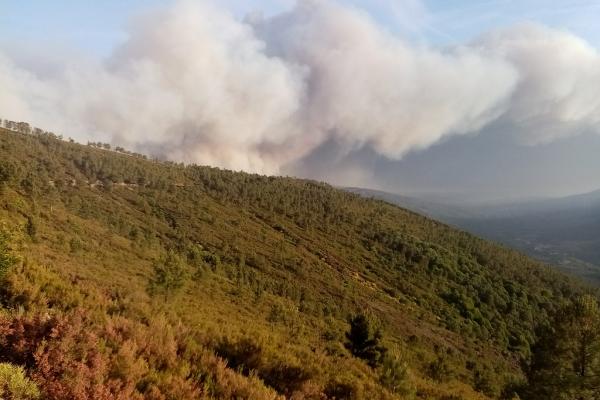
Following work carried out under the RESIST project funded under the EU Mission on Adaptation, the Spanish region of Extremadura has announced plans to significantly expand its wildfire prevention measures, transforming high-risk pine forests into more resilient landscapes.
2 min read
- News article
- 17 September 2026
LIFE projects in Spain and Portugal are rediscovering traditional ways of farming and forestry to reduce the risk of fires and boost climate resilience, contributing to Europe’s efforts to prevent and respond to wildfires.
3 min read
- News article
- 13 August 2026
Research and innovation in the EU is equipping communities across Europe with the knowledge, tools and effective solutions to adapt to the increasing occurrence of heatwaves, as part of the rapidly changing climate.
5 min read
- News article
- 17 March 2026
Wildfires have burned swathes of forest across Europe in recent years, but carefully deploying grazing livestock to high-risk areas can reduce their vulnerability to fire, as two LIFE projects have found.
3 min read
- News article
- 18 September 2025
As Europe recovers from its worst-ever summer of wildfires, LIFE projects across the EU are finding ways to protect us from the deadly blazes which destroy lives, homes and our precious natural heritage.
3 min read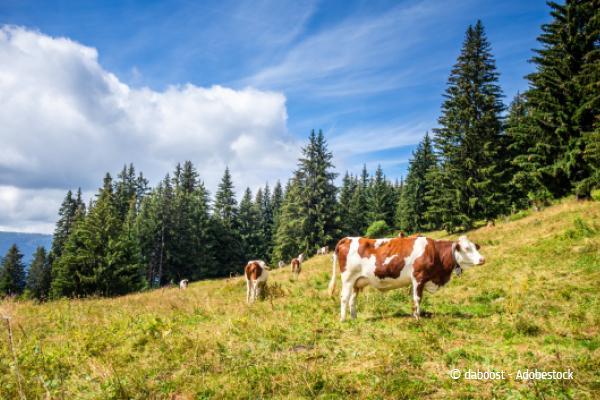
- News blog
- 18 July 2024
Grazing is vital for wildfire prevention, reducing fuel loads, modifying vegetation, and aiding ecosystem recovery.
1 min read